BROWSE POWERBOATING ARTICLES

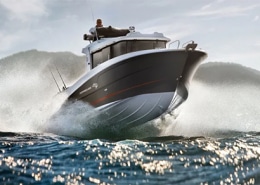
Dynamic powerboat slicing through ocean waves with mountains in the background, showcasing speed and adventure.

Powerboat Planing Hull

A planing hull is designed to rise and glide on top of the water at higher speeds, rather than plowing through it like a displacement hull.
NauticEd logo. Perfect for online boating education and certifications.

Mooring

Mooring a vessel means attaching it to a float that is firmly and permanently anchored to the sea bottom.
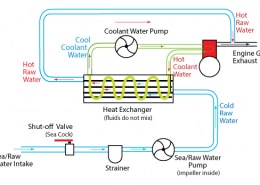
Diagram of a marine engine cooling system showing coolant and raw water flow through pumps, strainer, and heat exchanger.

Engine Cooling System

Marine engines on powerboats, whether gasoline or diesel, use two primary cooling systems to manage engine temperatures: the raw water system and the coolant water system.
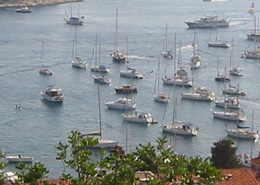
Scenic view of a marina filled with sailboats and powerboats on a sunny day, surrounded by lush green hills and coastal buildings.

Anchoring Courtesy

After safely and securely anchoring your vessel, there are certain factors to contend with - most are common sense.
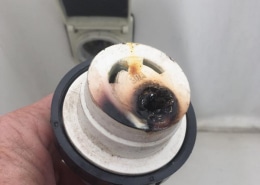
Close-up of a damaged 30A powerboat shore power plug, showing burnt contacts. Safety warning for marine electrical systems.

Shore Power Connections

One of the more common sources of fire on a boat is a loose connection of the shore power to the receptacle plug on the stern of the boat.
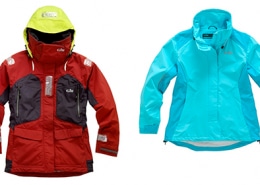
Red and black powerboating jacket with a yellow hood next to a vibrant blue jacket on a white background.

Appropriate Boating Clothing

Dressing appropriately for weather conditions is an important but often overlooked topic. Weather in the marina may be considerably different from weather beyond the marina and conditions can drastically change during your venture.
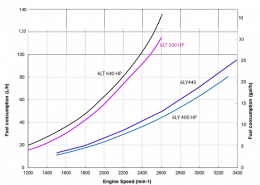
Fuel consumption graph for 6LT 640 HP, 6LT 500 HP, 6LY440, and 6LY 400 HP engines vs engine speed in powerboating.

Fuel Consumption and Curves

Fuel consumption in inboard engines on large powerboats varies based on several factors, including engine type, horsepower rating, boat hull design, and operating speed.
NauticEd logo. Perfect for online boating education and certifications.

Radar

Radar stands for Radio Direction And Ranging. The acronym was coined by the U.S. Navy in the 1940s, just prior to the U.S. entering World War II.
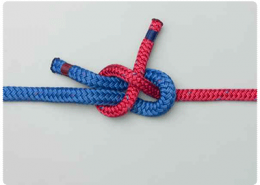
Bowline knot tying red and blue ropes for secure powerboating. Essential nautical knot for reliable boating safety.

Sheet Bend

The sheet bend is used to join two ropes of different thicknesses or materials together.
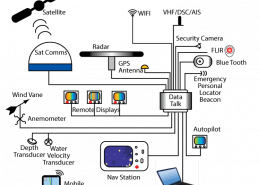
Powerboat navigational system diagram with GPS, radar, autopilot, and communication links to laptops and mobile devices.

Electronic Communications

Nowadays, gigabytes of data can be sent in a second as a digital signal. It is all a complete Wow! And we’ve seen this invention of technology, including all the working satellites launched into orbit in our lifetimes.
Blog Posts
Pages
Categories
Monthly