
Sizing Up: The Double-Edged Sword of Bigger Boats
Talk to anyone who’s been boating for years and you’ll notice a pattern. They started small, maybe a 20-foot center console now they got a 50-footer that’s a million dollar yacht.
It makes sense. Bigger boats open more doors. You go from day trips to overnight cruising. Larger boats certainly open up destinations because of their seaworthness. A 20-foot center console is fun, but the comfort of a cabin cruiser when you want to stay aboard with friends or family is unmatched.
But here’s what too many people miss: moving up in size isn’t just adding ten more feet. The jump from 30 to 40 feet isn’t linear—it’s exponential.
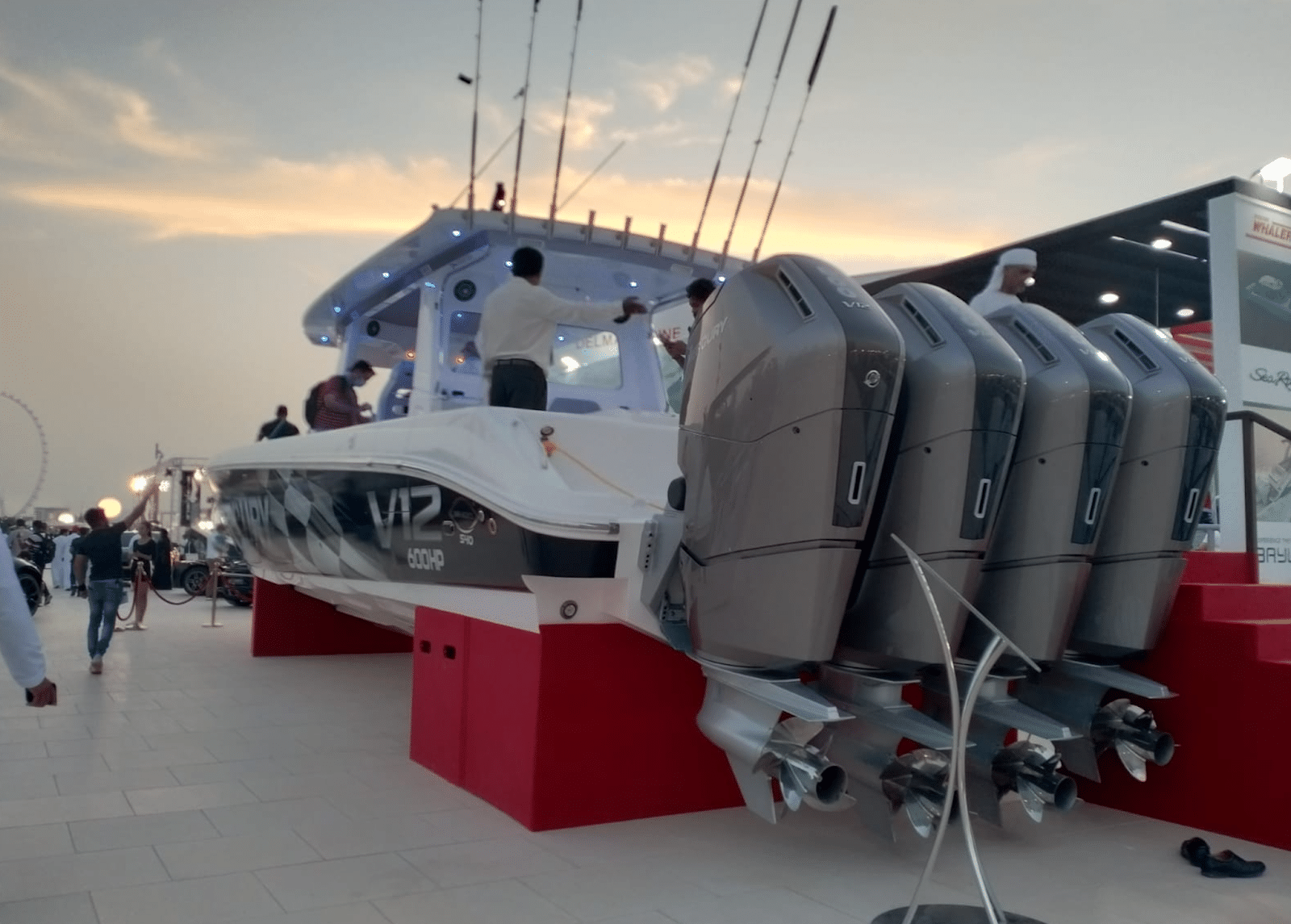
More Boat, More Systems, More Costs
Boats scale cubically. That 10 extra feet comes with more displacement, more volume, and a lot more complexity. Suddenly, you’re dealing with:
- More batteries and electrical systems.
- A head (and everything that can go wrong with it).
- Advanced navigation electronics.
- Inboard diesels instead of outboards.
And then there’s the cost. A repair on a 20-foot outboard might sting, but a repair on a 45-foot twin diesel yacht can empty your wallet. Bigger boat equals bigger bills, every time.
The Handling Gap
Docking is another area where reality hits. Sliding a 20-footer into a slip is a completely different challenge than easing in a 45-foot twin inboard with wind on the beam and million-dollar neighbors three feet away. A bigger boat requires not just more muscle, but more seamanship. If you don’t have the training, that leap in size quickly turns into a leap in fear.
Why “Too Big” Backfires
Here’s the trap: people buy the dream, not the reality. They picture anchoring overnight in hidden coves, hosting family trips, traveling to far-off harbors. And so they buy bigger.
But if the boat is too big for their comfort level, they stop using it. Fear of docking, fear of breaking something, fear of getting in over their heads—it all keeps the boat tied up. And the irony is brutal: the very size that made the boat appealing in the showroom is the same thing that keeps it from ever leaving the slip.
The Smart Path: Train Up Before You Size Up
The smartest owners don’t just throw money at a bigger hull. They build their seamanship first. They train before they upgrade.
That can mean hands-on courses, whether for sail or power. It can mean theory courses that cover the systems and handling of boats 30 to 60 feet—like what NauticEd offers. Either way, training gives you confidence. And confidence is what makes the jump to a bigger boat not just survivable, but enjoyable.
Right Boat, Right Time
At the end of the day, the “right” boat isn’t the biggest one you can afford. It’s the boat that matches your actual intentions.
For me, I’ve owned a 40-footer. At the time, I wanted to cruise longer distances, and it fit. But life changes. If I buy another boat, I might downsize—something smaller, simpler, better suited for day trips with friends and family.
That’s the point. Be clear about what you actually want to do with your boat. Then size accordingly. And whatever you do, educate yourself before you make the leap—because bigger boats aren’t just more expensive, they demand more skill.
Author

 NauticEd is a fully recognized education and certification platform for boating students combining online and on-the-water real instruction (and now VR). NauticEd offers 7 online powerboating courses, +24 online sailing courses, a free sailor’s toolkit that includes 2 free courses, an international network of boating schools and instructors, and six ranks of certification – all integrated into NauticEd’s proprietary platform. The USCG and NASBLA recognize NauticEd as meeting the American National Standards. Learn more at www.nauticed.org.

